Global Initiatives
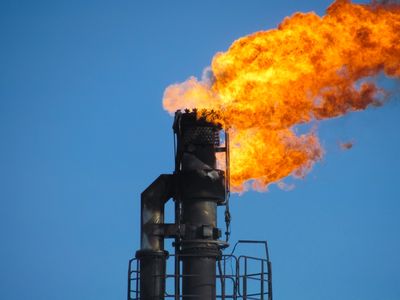
Canada's Enhanced Methane Regulations
Finalized in December 2025 by the Government of Canada (Environment and Climate Change Canada), these regulations build on 2018 rules to achieve a 75% reduction in oil and gas methane emissions below 2014 levels by 2035 (phased in from 2028). They prohibit most venting (with exceptions), strengthen leak detection/repair schedules, limit flaring, and allow flexible compliance pathways (e.g., facility-level methane intensity thresholds). Expected to cut 304 million tonnes of CO₂-equivalent emissions from 2025–2035, while supporting equivalency agreements with provinces like Alberta and driving investments in clean tech and jobs.
Alberta's Directive 060: Upstream Petroleum Industry Flaring, Incinerating, and Venting
Administered by the Alberta Energy Regulator (AER) since amendments in 2018 (with ongoing updates), this provincial directive sets strict performance requirements for flaring, incinerating, and venting, including limits, reporting, and continuous improvement expectations. It supports Alberta's methane reduction target (achieved 45% from 2014 levels early) and aligns with federal goals. Despite challenges like temporary non-enforcement of some limits in 2025 due to production pressures, it remains a key tool for minimizing routine flaring in Canada's largest oil-producing province, emphasizing resource conservation and environmental protection.
Zero Routine Flaring by 2030 (ZRF) Initiative
Launched in 2015 by the World Bank and UN, this voluntary commitment aims to eliminate routine gas flaring by 2030 through regulatory, technological, and financial solutions. It has over 108 endorsers, including 35 governments (e.g., Canada, Iraq, Russia, U.S.) and 57 oil companies, covering about 60% of global flaring. Progress includes annual reporting and significant cuts in countries like Kazakhstan and Nigeria (up to 85% in pilots).
Global Flaring and Methane Reduction Partnership (GFMR)
Launched in 2023 by the World Bank as a multi-donor trust fund, it expands efforts to end routine flaring and reduce methane emissions from oil and gas. Key activities include grants for methane detection (e.g., $500,000 for Bangladesh), financing for medium-sized flare sites, and toolkits for operators. It operates in over a dozen high-flaring countries responsible for 25% of sector emissions.
Global Gas Flaring Reduction Partnership (GGFR)
Established in 2002 by the World Bank as a public-private partnership (evolved into GFMR in 2023), it focuses on policy, technology, and market access for flared gas. It has mobilized over 85 governments and companies, reducing global flaring by 9% since 1996 despite rising oil production.
Global Methane Pledge
Launched in 2021 at COP26, this U.S.- and EU-led pledge commits over 150 countries (including Canada) to reduce global methane emissions by at least 30% from 2020 levels by 2030. Flaring is a key target, with national action plans and funding for flare capture.
Oil and Gas Decarbonisation Charter (OGDC)
Introduced at COP28 in 2023, this UN-backed charter has 56 signatory companies committing to net-zero by 2050, including eliminating routine flaring by 2030. It emphasizes methane reductions and annual progress reporting.
U.S. Methane Emissions Reduction Action Plan
Released in 2021, this whole-of-government plan aims to cut U.S. methane by 30% by 2030, with EPA flaring regulations and $32 million for flare-eliminating technologies.